If you’re stepping into Extended School Year for the first time, you might be staring at a blank schedule template wondering, “Where do I even start?” I’ve been there, too! ESY doesn’t have to be overwhelming, and you don’t have to reinvent the wheel- with a little structure in place, it can actually be one of the most rewarding parts of your school year.
In this post, I’m breaking down exactly how to build an ESY schedule that keeps students engaged, supports their IEP goals, and still leaves room for the fun, summery activities kids actually look forward to. And yes, free sample schedules are waiting for you at the end!
What Makes an ESY Schedule Different?
ESY isn’t just a condensed version of the school year. The students attending have been identified as needing continued support to prevent regression, which means your schedule needs to be intentional, structured, and consistent. At the same time, it’s summer. Kids (and honestly, teachers) need a little breathing room.
The sweet spot is a schedule that balances skill maintenance with joyful, low-pressure learning. Think: morning routines to anchor the day, center time for working on individualized goals, movement and sensory breaks built in, and group activities that feel more like fun than work.
The Building Blocks of a Strong ESY Schedule
No matter what grade level or program you’re working with, a solid ESY schedule tends to include the same core components. Here’s what to plan for:
1. Arrival Routine
Start every day the same way. A consistent arrival routine — even just 10 minutes of morning work or free choice — helps students transition in and signals that the day is beginning. This is especially important for students who thrive on predictability. My personal recommendation- make these activities low-activating, sensory regulating to help ease into the day.
2. Morning Meeting or Circle Time
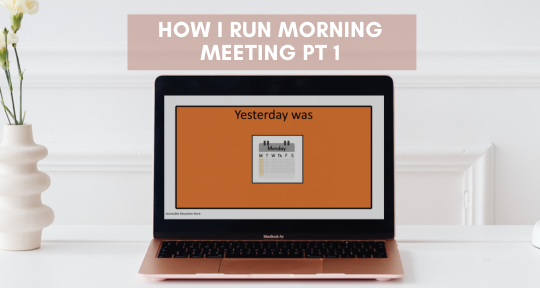
This is your community-building block. Calendar, weather, a greeting activity, and a preview of the day’s schedule go a long way toward reducing anxiety and setting a positive tone. For younger students, add songs, a “What’s in the Box?” activity, or a theme-of-the-week connection. For older students, incorporate goal-setting, agendas, or current events (NewsELA is a great platform to try!)
3. Centers (Including ITT)
Centers are the heart of most ESY programs — and for good reason. They allow you to embed IEP goal practice naturally into meaningful activities. Whether you’re running writing, math, ELA, fine motor, social skills, or independent work, centers let you differentiate without making it obvious. Rotate students through intentionally and use this time for your individual teacher time (ITT) with specific students. If you’re operating an ESY program with limited paraprofessionals, centers are a MUST. Make sure 1-2 of your centers are independent times to give you and your team time to work on IEP goals in 1:1 or small group settings.
4. Recess & Movement
Don’t skip this. Students need it, and honestly, you do too. Build in at least one recess or movement break, and for older students, consider structured fitness time — weight room, obstacle courses, or a walk/hike can count here. Since it is summer, you might want to consider doing this after your morning meeting to beat the heat or incorporate water time! This was always a favorite with my students during the hottest days of the summer.
5. Snack
Beyond nutrition, snack is a social and life skills opportunity. Use it. Practice requesting, turn-taking, food prep, and conversation skills right at the snack table. Some of my students talk about the baking and cooking we got to do during ESY all year round- its a great time to try something new!
6. Afternoon or PM Group
End the instructional day with something students look forward to. Story read-alouds, cooking group, science experiments, crafts, or water games — these activities feel like a reward while still targeting communication, following directions, and social skills. It helps when the most fun thing of the day is last for behavior management!
7. ADL Time (for older students)
For middle and high school students, Activities of Daily Living are a key part of ESY. Work on dressing, job skills, personal hygiene, food prep, and cleaning as real, functional life skills — not just practice. Summer is a great time to work on some of the outdoor skills that you might not get to during the school year, like gardening, community safety on sidewalks, or even bike skills!
8. Pack Up & Dismissal
Just like arrival, dismissal should be predictable and calm. Give students a heads-up before it begins, and use it as a chance to reflect on the day or preview tomorrow. It helps to have everyone’s dismissal plans written out and displayed somewhere so that everyone on your team knows who is getting on which bus and which students are walkers or car pick-up.
A Note on Program Length
Many ESY programs offer both 2-3 hour and 3-4 hour options depending on student needs. Your schedule will look a little different based on which option you’re running. Shorter programs typically skip leisure time and a full lunch period; longer programs have more room for leisure, an additional jobs or group period, and lunch. Plan your schedule based on the specific length of your program and the age/needs of your students. Younger kids might benefit from a quiet rest time, especially after outdoor time. If this group is new to you, consider getting in touch with their school-year teacher to get feedback on student needs in their schedules.
Tips for Making Your ESY Schedule Work
- Post it visually. Use photos, icons, or a simple visual schedule strip so students can follow along independently.
- Keep transitions short and predictable. Long gaps between activities are where behaviors tend to creep in. Try some transition routines like songs or movement games to make transitions more appealing.
- Embed goals everywhere. Your centers, snack, ADL time, and group activities should all be driving toward IEP goals — not just filling time. You don’t have to reinvent the wheel- if a particular activity worked well during the school year for your students, find time for it during summer.
- Leave room for flexibility. ESY often has smaller class sizes, which means you can be more responsive to how students are doing on a given day. Build in that buffer.
Grab Your Free ESY Sample Schedules!
Not sure where to start? I’ve put together sample ESY schedules for Early Childhood, Elementary, Middle School, and High School — including both 3-hour and 4-hour options for each level.
These schedules include a full daily breakdown plus activity ideas for every block, so you can see exactly what a real ESY day looks like from arrival to dismissal.
You don’t have to build your ESY schedule from scratch. Use these as a starting point, adjust for your students’ needs, and go into summer feeling prepared and confident. Your students are lucky to have a teacher who’s already planning ahead. 🌟
Looking for more ESY planning resources?