When planning an Extended School Year (ESY) program for middle school and high school students, it’s important to recognize that secondary ESY activities should look very different from those used in elementary or early childhood classrooms. While maintaining academic skills may still be a priority for some students, the primary focus for many secondary learners should be preparing for life after school.
The reality is that transition-age students need opportunities to practice the skills they’ll use as adults. During the regular school year, schedules are often packed with academic requirements, therapies, assessments, and school-wide activities. ESY provides a unique opportunity to slow down and focus on functional life skills, vocational training, community readiness, leisure skills, and independence.
In fact, some of the most meaningful learning opportunities happen during summer programming because students have the time to engage in authentic, hands-on experiences that simply aren’t possible during a typical school day!
If you’re building a secondary ESY schedule, here are some ideas for creating a program that is engaging, age-respectful, and focused on real-world outcomes.
Start the Day with a Functional Morning Meeting
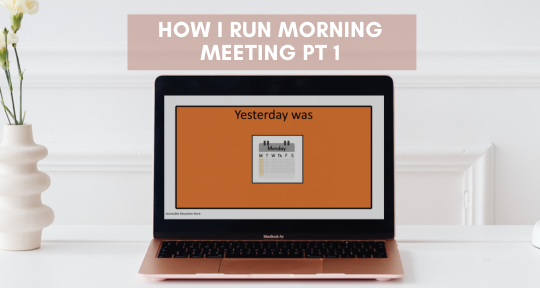
A structured morning meeting helps students transition into the school day while practicing communication, organization, and planning skills.
Unlike elementary morning meetings that may include songs and calendar routines, secondary group time should feel more practical and age-appropriate. The goal is to mirror the kinds of activities students may encounter in future workplaces, day programs, or community settings.
A secondary morning meeting might include:
- Calendar review
- Daily agendas
- Greetings and social communication
- Weather updates
- Schedule review
- Current events discussions
- Community announcements
Current events are particularly valuable for transition-age students. Discussing local news stories, weather events, sports, or community happenings helps students build communication skills while increasing awareness of the world around them. If you need an example of what this could look like, I love watching the Beyond the Challenge weekend recaps!
This is also a natural opportunity to practice executive functioning skills such as checking schedules, planning tasks, preparing materials, and anticipating transitions throughout the day.
Prioritize Fitness and Wellness
Physical wellness is an important part of adult life, yet it is often overlooked in secondary special education programming. ESY can provide dedicated time for students to build healthy habits that support long-term physical and emotional well-being, especially since the weather is nicer during the summer months.
Many secondary learners respond better to fitness activities that feel mature and purposeful rather than traditional recess-style games.
Some effective fitness-focused secondary ESY activities include:
Weight Room Activities
If your school has access to fitness equipment, students can learn how to safely use machines, follow workout routines, track progress, and develop healthy exercise habits.
Walking Programs
Neighborhood walks, school campus walks, nature trails, and local hiking opportunities provide excellent opportunities to build endurance while practicing community safety skills.
Obstacle Courses
Obstacle courses can be adapted for students of all ability levels and can target balance, coordination, motor planning, and teamwork.
Fitness Challenge Decks
Exercise cards or challenge stations allow students to participate independently while working toward personal fitness goals.
The objective isn’t athletic performance. Instead, these activities help students develop routines and habits that can support lifelong health and recreation.
Swimming
Summer is a great time to try new fitness programs, and adaptive swimming is a great option! Many pools and fitness centers have accessible pool access and some even offer classes. Involve your PT, OT, and SLPS in swimming time, it can be a meaningful way to co-treat.
Build Leisure Skills into the Schedule
One area that is frequently overlooked in transition programming is leisure and recreation. However, knowing how to appropriately and independently spend free time is a critical adult life skill.
Many students graduate without having developed hobbies, interests, or strategies for engaging in meaningful leisure activities. ESY provides an excellent opportunity to explore these areas.
A dedicated leisure block might include:
- Leisure choice boards
- Independent reading
- Listening to music
- Magazines and newspapers
- Computer activities
- Video games
- Board games
- Sensory equipment
- Tablets or iPads
The key is teaching intentional leisure skills rather than simply offering free time.
Staff can help students learn how to:
- Make independent choices
- Explore personal interests
- Engage appropriately in activities
- Transition between leisure options
- Participate in activities independently
These skills directly support success at home, in residential settings, and in community programs after graduation.
In order to help students develop and explore hobbies, consider community outings to places like:
- Card and hobby stores
- Craft stores
- Libraries
- Sports clubs like pickleball, fitness, or swimming centers
- Arcades
- Garden centers
- Beaches or lakes with water sports
- Malls
Focus on Activities of Daily Living (ADLs)
One of the greatest advantages of a secondary ESY program is the opportunity to devote significant time to Activities of Daily Living (ADLs).
During the school year, ADL instruction can compete with academic demands. Summer programming allows students to spend extended periods practicing essential life skills in meaningful ways.
Dressing and Laundry
Students can learn how to:
- Sort clothing
- Operate washers and dryers
- Fold laundry
- Put clothing away
- Match clothing items
- Follow multi-step routines
- Delivery laundry
Food Preparation
Cooking and food preparation activities provide opportunities to work on numerous skills at once, including:
- Following directions
- Measuring ingredients
- Kitchen safety
- Sequencing
- Reading recipes
- Functional math
- Communication
Even simple snacks and no-bake recipes can become highly motivating learning opportunities.
Personal Grooming and Hygiene
Students may work on:
- Hand washing
- Brushing teeth
- Hair care
- Deodorant use
- Personal appearance routines
- Self-care checklists
These are critical skills for employment, community participation, and independent living.
Cleaning and Household Tasks
Students can practice:
- Sweeping
- Vacuuming
- Wiping surfaces
- Organizing supplies
- Cleaning work areas
- Maintaining shared spaces
Because these activities occur in real-life contexts, students often show stronger engagement and skill generalization than they do during traditional worksheet-based instruction.
Incorporate Meaningful Vocational Activities
Vocational training should be a cornerstone of any secondary ESY program.
Summer often provides uninterrupted time to focus on work readiness skills that are difficult to target consistently during the school year. Many schools already have access to materials and environments that can be transformed into authentic job experiences.
Popular vocational activities include:
- Collating papers
- Sorting materials
- Assembling packets
- Restocking shelves
- Inventory tasks
- Deliveries throughout the building
- Cleaning assignments
- Organizing supplies
- Coffee cart operations
- Snack cart programs
- Gardening and weeding projects
These activities allow students to practice important workplace skills such as:
- Following directions
- Completing tasks independently
- Working efficiently
- Staying on schedule
- Problem-solving
- Self-monitoring
- Asking for help appropriately
- Maintaining quality standards
When possible, rotate students through multiple job experiences so they can explore different strengths and interests.
Use the Extra Time to Create Authentic Learning Experiences
One of the biggest advantages of ESY is flexibility. Without the pressure of a full academic schedule, teachers can create learning opportunities that feel more authentic and meaningful.
Consider incorporating:
- Community-based instruction
- School garden projects
- Campus improvement projects
- Cooking groups
- School business activities
- School-wide deliveries
- Volunteer opportunities
- Collaborative group projects
These experiences often produce stronger engagement because students can immediately see the purpose behind the skills they are learning.
Focus on Adult Outcomes
The most successful secondary ESY activities are those that connect directly to students’ future goals. While reading and math remain important, summer programming provides a valuable opportunity to prioritize the skills students will use every day after they leave school.
A strong secondary ESY schedule should help students:
- Build independence
- Practice self-care skills
- Develop vocational skills
- Explore leisure interests
- Improve communication
- Increase physical wellness
- Strengthen community readiness
- Prepare for employment and adult life
When secondary ESY is designed with transition goals at the center, it becomes much more than summer school. It becomes an opportunity for students to gain confidence, develop independence, and practice the real-world skills that will support meaningful and fulfilling adult lives long after graduation.
How Can I Build This Into an ESY Schedule?
Finding time for all the things can be challenging, especially during a shorter ESY program. I’ve created some 3 and 4 hour schedule options for you to map out what your secondary ESY program could look like, and how to incorporate activities and outings into your schedule this summer. Use the form below to get instant access to the schedules and other ESY freebies!