Planning an elementary ESY program can feel like a balancing act. You want students to continue practicing important academic and functional skills, but you are also aware of something important: it’s summer! The best elementary ESY activities combine structure, movement, hands-on learning, and opportunities for students to socialize and regulate throughout the day that builds in fun, feels special from regular school, but still is predictable for students.
Unlike early childhood classrooms, elementary ESY schedules are usually longer and can include more variety throughout the day. Students are often able to tolerate longer work periods, participate in rotations more independently, and engage in collaborative activities with peers. At the same time, many students still need frequent movement breaks and engaging activities to maintain attention and reduce fatigue.
If you’re planning an ESY classroom this summer, here are some practical ideas for creating an elementary schedule that is both meaningful and manageable.
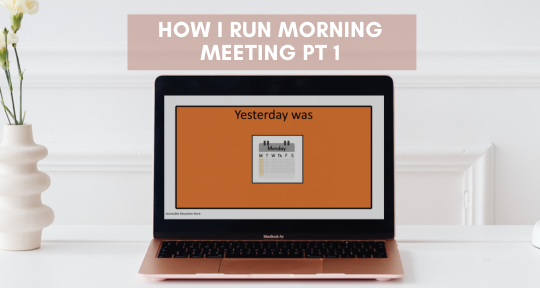
Start the Day with a Morning Meeting
A predictable morning meeting helps students transition into the school day while reviewing routines, expectations, and communication skills.
Elementary morning meetings can include:
- Hello songs or greetings
- Calendar and weather review
- Visual schedule check-in
- Pledge of Allegiance
- Theme of the week
- Stretching or yoga
- Dance and movement activities
Many students benefit from beginning the day with movement before transitioning into academic tasks. Adding short brain breaks or stretching activities can help students regulate and prepare for learning.
Morning meetings are also a great time to target communication and social skills naturally. Encourage students to greet peers, answer questions, share opinions, or participate in group discussions. Keeping the routine predictable will help facilitate communication opportunities for your students, especially students who use AAC to communicate.
Use Center Rotations to Break Up the Day
One of the easiest ways to organize elementary ESY activities is through center rotations. Rotations help keep students engaged while allowing staff to target multiple skill areas in smaller groups. This is especially important if you don’t have 1:1 staffing over the summer. Since elementary ESY programs are often longer than preschool programs, centers can also help prevent students from becoming overwhelmed by long periods of table work. Try starting with 2-3 centers at first, and add more in or switch up the content of the centers once students are used to the rotations.
Academic Centers
Many ESY classrooms need to incorporate direct academic instruction or ITT/table time into the day. Embedding those activities into a rotation often feels more manageable for students than completing all academics at once.
Some effective academic centers include:
- Writing activities
- Math games
- Reading comprehension tasks
- Fluency practice
- Independent work systems
- File folder activities
- Computer-based learning programs
- Listening centers
Keeping activities short and structured can help students remain successful. Using visual schedules, timers, and predictable routines often improves independence during rotations.
Include Hands-On and Functional Activities
Elementary students still learn best through active participation. Some of the most successful elementary ESY activities don’t look like traditional academics at all.
Hands-on centers may include:
- Art projects
- Puzzles
- Board games
- Playdough
- STEM bins
- Building activities
- Sensory tasks
These activities support problem-solving, fine motor development, communication, and social interaction while giving students a break from more demanding academic work.
Functional skill practice can also be naturally incorporated throughout the day. Many classrooms include centers focused on:
- Classroom jobs
- Activities of daily living (ADLs)
- Cleaning routines
- Organizing materials
- Following schedules
- Peer collaboration
These skills are incredibly important for promoting independence and helping students generalize routines across settings. Just make sure to evaluate your ADLS and jobs for age appropriateness- are typically developing students expected to do the same jobs?
Build in Opportunities for Social Skills
Summer programs are often a great opportunity to target peer interaction in a lower-pressure environment since you have fewer students around. Social groups can easily be integrated into centers or afternoon activities.
Some simple ideas include:
- Cooperative games
- Partner activities
- Turn-taking while cooking
- Conversation practice
- Group problem-solving challenges
- Collaborative art projects
Make Afternoons More Interactive
The afternoon slump is real for all of us- students included. Afternoons are a great time to incorporate high-interest elementary ESY activities that feel fun and motivating while still targeting important developmental skills.
Some engaging afternoon group activities include:
Read-Alouds and Story Activities
Interactive story read-alouds can target comprehension, vocabulary, prediction, and communication skills. Pairing books with crafts or themed sensory activities can increase engagement even further. Bonus points if they are centered around a theme of the week of month, like in the Made for Me Literacy bundles.
Cooking Groups
Cooking activities naturally incorporate:
- Following directions
- Measuring
- Fine motor skills
- Communication
- Turn-taking
- Functional math skills
Even simple no-bake recipes can become highly motivating learning opportunities! Here are some recipes we’ve done before that were a hit and only required a toaster oven:
- Muffins or cupcakes
- Confetti dip
- English muffin pizzas
- Rice crispy treats
- Chocolate dipped pretzels
- Fruit popsicles
- Chex mix
- Muddy Buddies
Obstacle Courses and Water Games
Movement-based activities are especially helpful during ESY because students often need additional sensory input and opportunities to regulate, especially if you’re in a new space for the summer.
Obstacle courses, relay races, scooter activities, and water games can support:
- Gross motor skills
- Teamwork
- Following directions
- Body awareness
- Self-regulation
These activities also provide a much-needed energy release during longer summer days!
Science and Sensory Activities
Elementary students love hands-on experiments and sensory play. Simple science experiments can encourage curiosity while building communication and problem-solving skills.
Try:
- Baking soda experiments
- Sink or float activities
- Bubble experiments
- Ice melt activities
- Sensory bins tied to weekly themes
These types of activities often become student favorites during ESY sessions.
Focus on Balance, Not Perfection
The most effective elementary ESY schedule is one that balances structure with flexibility. Students need opportunities to continue practicing academic and functional skills, but they also need movement, sensory regulation, social interaction, and fun.
When planning elementary ESY activities, focus on:
- Predictable routines
- Short, manageable work periods
- Hands-on learning
- Opportunities for movement
- Social interaction
- Functional life skills
A well-balanced ESY classroom can help students maintain critical skills over the summer while creating a positive and engaging learning environment that students actually enjoy attending.
What Would These Elementary ESY Activities Look Like In A Schedule?
I have some schedules pre-made for you to help you map out your summer and plan for the big blocks during the day. If you want a no-prep, print and go, ready for you schedule for summer use the form below to download your ESY schedule!