
Whether you are a self-proclaimed inclusionist or new to the idea of having students with significant disabilities in the classroom, we can all learn more about inclusive practices. I’ve assembled a list of inclusion books that will guide and support you and your team as they develop better inclusive practices.
This is by no means an exhaustive list. These are inclusion books I’ve personally read and can recommend to:
- Teams pursuing inclusive schooling
- Special education teachers or parents who would like their student’s general education teacher to learn more about inclusion
- School leaders who are trying to create more inclusive classrooms
Many of these inclusion books can be found on used textbook websites, so be sure to check there first as you’re building your inclusive school library!
My Tops 5 Inclusion Books
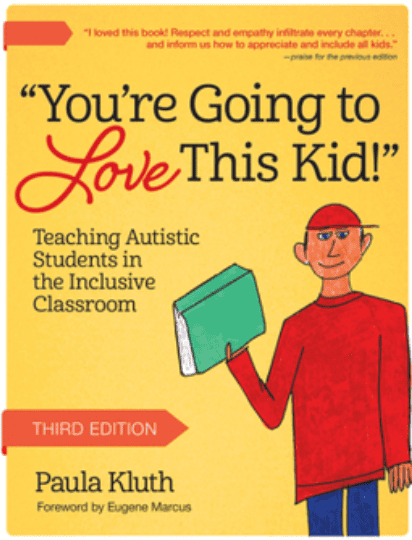
You’re Going to Love This Kid! Teaching Autistic Students in the Inclusive Classroom by Paula Kluth. This is my go-to inclusion book when I’m having a hard time processing how to plan for inclusion for a student on the spectrum. Paula Kluth gives plenty of real classroom examples and advice to help teams think about the different possible ways to include autistic students in the general education classroom. This is organized like a textbook, but it is a very easy read. Think of it as a guidebook and less of an academic text! Dr. Kluth acknowledges how inclusion for autistic students can look very different than other students who have significant support needs. There are not many books about the intersection of inclusion and autism, so I’d highly recommend reading this if you teach students who are autistic.
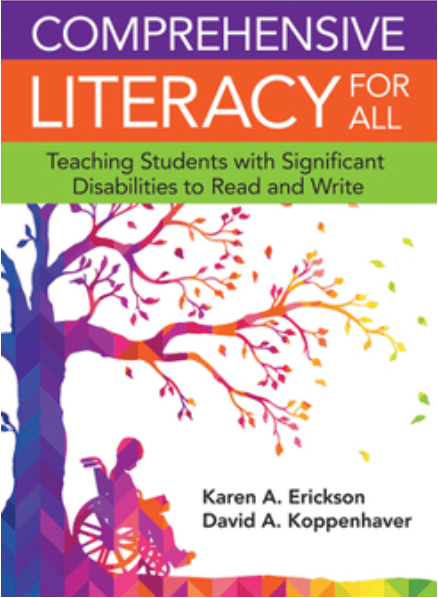
Comprehensive Literacy for All: Teaching Students with Significant Disabilities to Read and Write by Koppenhaver and Erickson. This is another inclusion book that I promise you will be referring back to throughout the school year. This is THE resource for planning instruction for students with disabilities who use AAC, sign, or other methods of communicating. Because the authors take a science-of-reading approach, you will be able to plan instruction for your students within a general education classroom that aligns with the curriculum the other students are already using. This is a really meaty resource- I find myself referring back to particular chapters or sections depending on the needs of my students or issues that arise in inclusion. This is less about mindset and more about practical application, making it an essential resource for your collection.
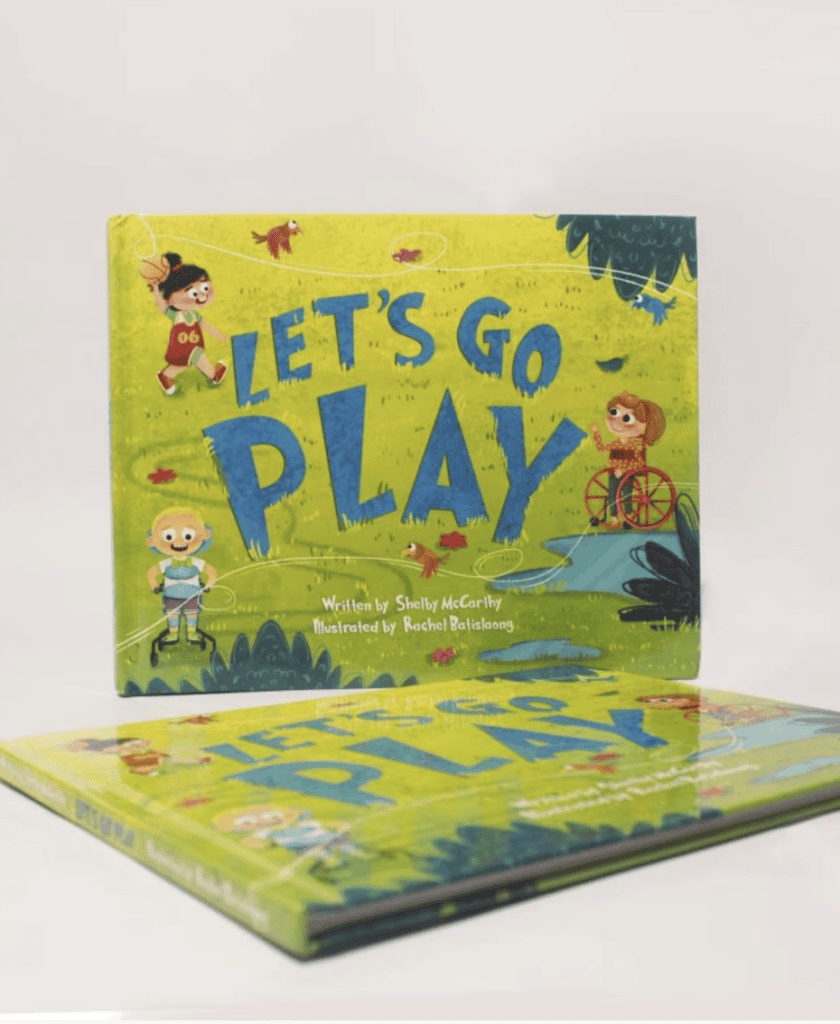
Let’s Go Play- A Children’s Book About Adapted Adaptive Equipment and Inclusion by Shelby McCarthy. A parent of one of my students recommended this inclusion book and I’ve used it ever since! I’ve had many students fully included before who have lots of adaptive equipment, and this is the best book I’ve seen that talks about the different kinds of adaptive equipment in a way that is friendly for young audiences. If you have a student who will be included and you’re concerned about what the other kids will say about all their “stuff” or if you simply need help describing how to be a good friend and classmate to students with mobility differences, this is the book for you!
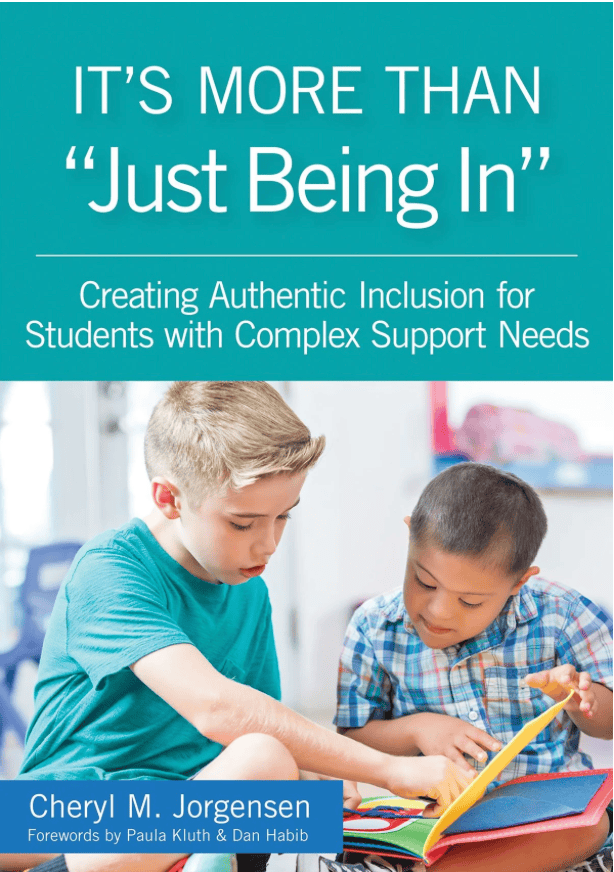
It’s More Than ‘Just Being In’: Creating Authentic Inclusion for Students with Complex Support Needs by Cheryl M. Jorgensen. Dr. Jorgensen is the researcher who first coined the term “least-dangerous assumption.” This inclusion book is a great primer on how to move your mindset from inclusion being about proximity to belonging. I read this book with my fellow co-teachers one summer and it really helped reframe our assumptions and beliefs about inclusion before the school year started. This book would be great for a team study or building book-club if you are a leader looking to cultivate more inclusive mindsets in your building.
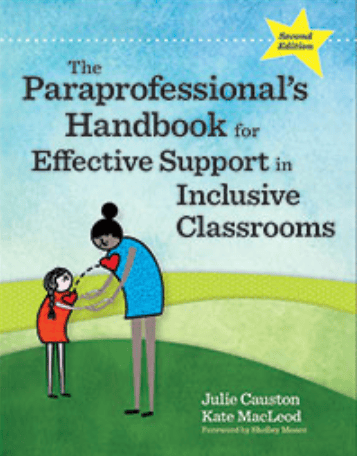
The Paraprofessional’s Handbook for Effective Support in Inclusive Classrooms, Second Edition by Julie Causton and Kate MacLeod. I cannot say enough good things about the team behind this inclusion book. Julie and Kate have developed many books, but this one might be my favorite. If you are working with students in an inclusive setting, there is a high likelihood that paraprofessionals are a part of your team. Helping them support your students is the best investment of your time as a special education teacher! This book is also organized like a textbook, but the chapters are quick and accessible. I highly recommend using this book as a source of your training throughout the school year, but especially at the beginning of the year to help your team provide support the right way from the start.
Do you have other inclusion books that you love? Drop your suggestions in the comments for other readers to build their inclusion library or email me to get more suggestions for your inclusion library!